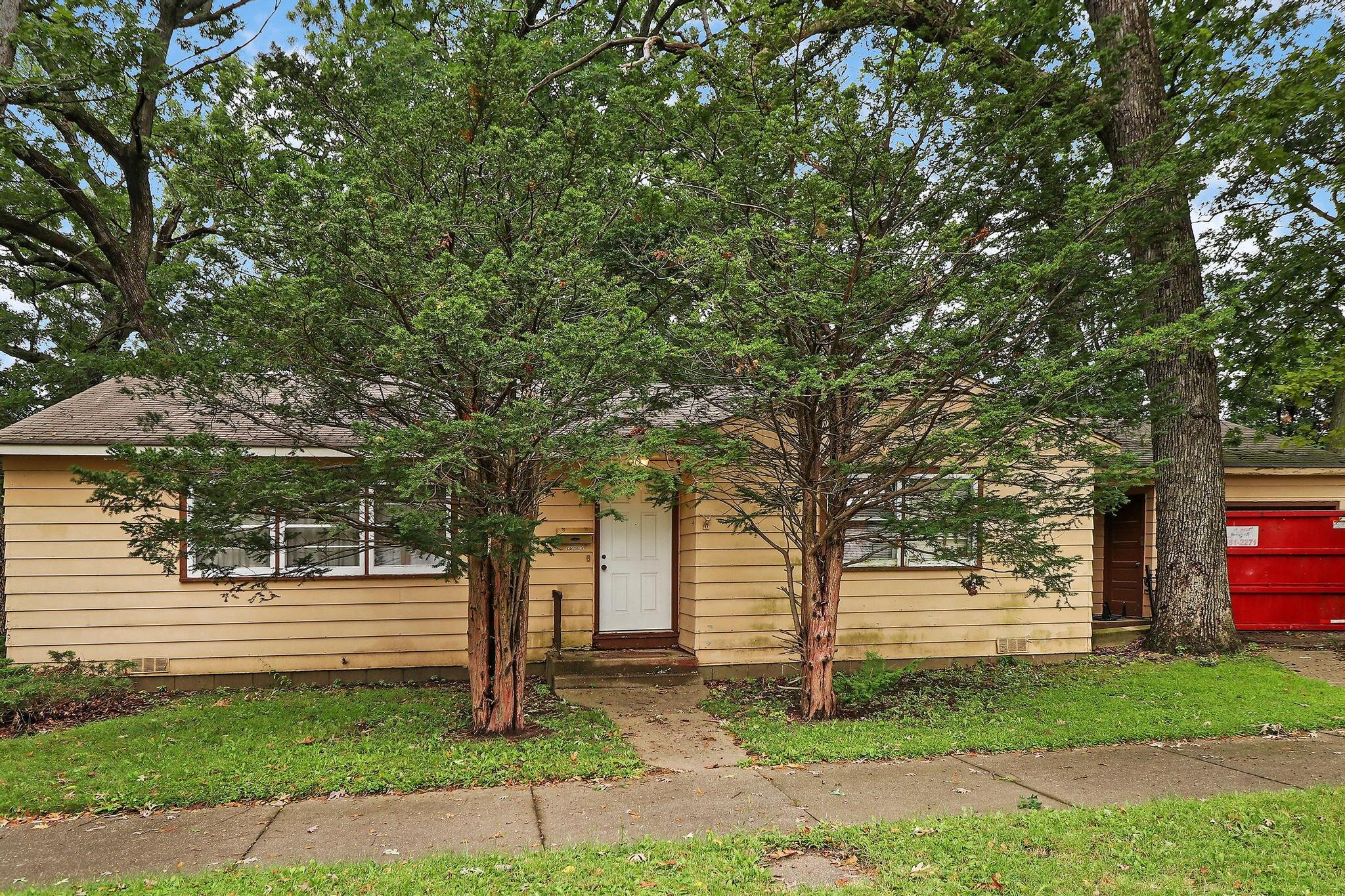
A vacant property doesn’t just sit quietly. Over time, the grass grows too long, paint peels, and eventually the city notices. Code violations start showing up — and what once felt like a manageable situation can turn into a mounting list of notices, fines, and deadlines.
If you own a vacant property in Lake County that’s picked up code violations, here’s what you should know before deciding what to do next.
Violations Don’t Have to Be Resolved Before You Sell
A common assumption is that a property has to be brought up to code before anyone will buy it. That’s true for a traditional buyer relying on a mortgage — lenders typically require an inspection to pass certain standards first.
It’s not true for a cash sale. We buy properties in the exact condition they’re in, violations and all. In most cases, active code violations can be addressed as part of the closing process rather than something you have to handle out of pocket first.
Why Properties Sit Vacant Longer Than Planned
Nobody plans for a house to sit empty for years. It usually happens gradually — a move for work, an inherited property nobody was ready to deal with, a renovation that stalled out. Each month that passes makes the next step feel a little harder to take, and the property itself keeps deteriorating in the meantime.
Real Example: Ten Years Vacant
One property we bought had been sitting empty for more than ten years. Eventually the city started issuing violations, and the owner decided it was finally time to do something about it. The house was full of belongings that had been left behind years earlier.
We bought it as-is, donated everything inside that was still in good condition, emptied the property completely, and the owner was able to move on to the next chapter of his life. Today that house is renovated and back in the community.
Ten years is a long time for a property to sit — but the situation is more common than people think, and there’s always a path forward once you’re ready to take it.
What Happens to the Violations
When you sell a property with open code violations, the city’s process for clearing them typically continues independent of the sale, but the responsibility for resolving them can shift as part of the transaction. Every situation is a little different depending on the type and severity of the violation, which is why we always walk the property first and talk through exactly what’s outstanding before making an offer.
If Your Property Has Been Sitting
Whether it’s been a year or a decade, a vacant property with code violations doesn’t have to stay your problem. If you’d like a straightforward conversation about what selling as-is could look like, we’re happy to help.
We’re a local, family-owned business serving Lake, McHenry, and Kenosha Counties since 2009, and we’ve helped homeowners move past properties exactly like this one.
Call or text us at (224) 219-1502 — we answer 7 days a week.