Blog

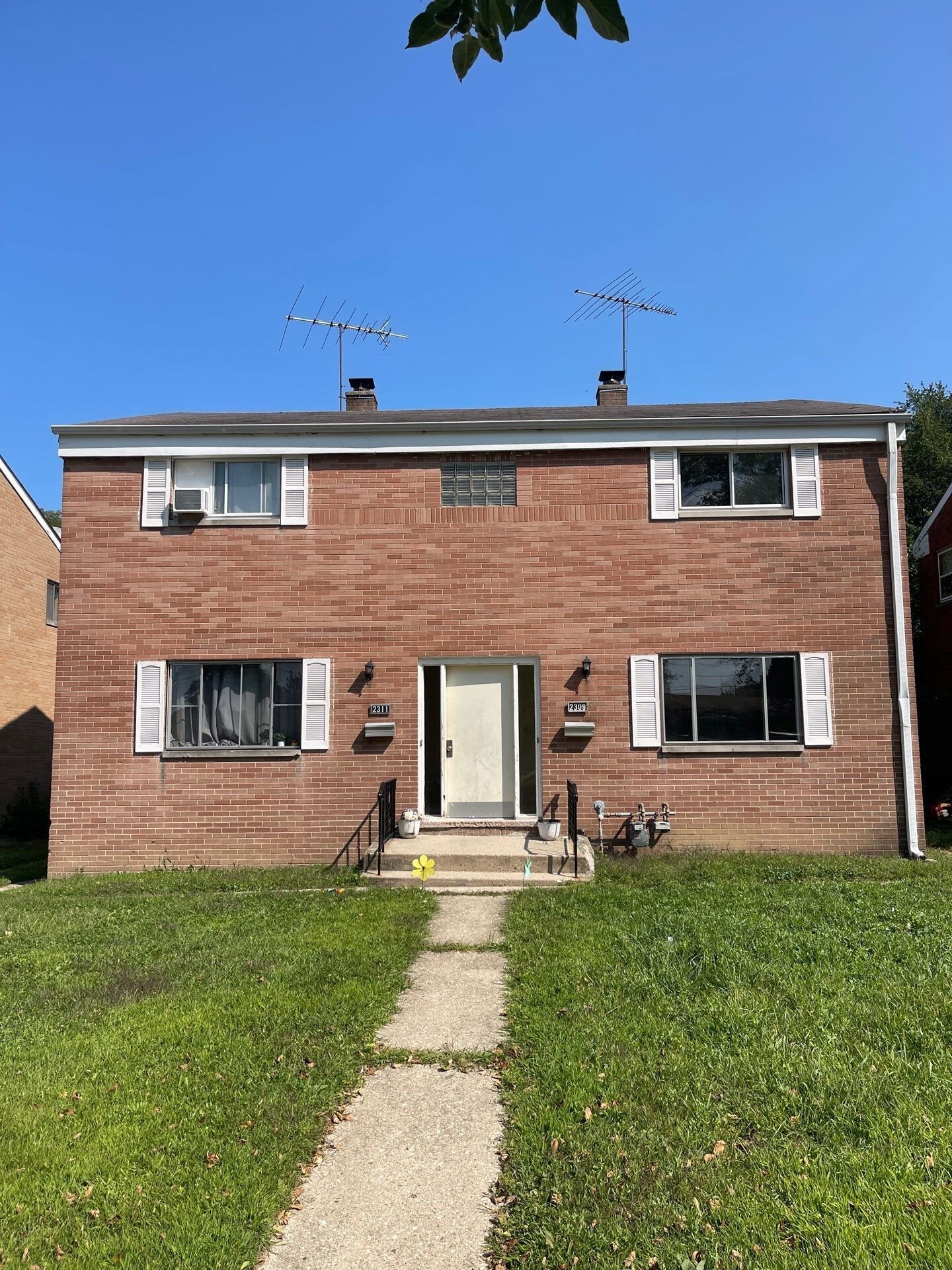
  • Selling a Rental with Problem Tenants in Lake, McHenry, or Kenosha County

    Selling a Rental with Problem Tenants in Lake, McHenry, or Kenosha County

    Being a landlord from a distance is hard even when things go well. When tenants stop paying rent, damage the property, or simply refuse to leave, it can turn into a situation that feels impossible to untangle — especially if you don’t live nearby and can’t check on things yourself.

    If you own a rental property with a difficult tenant situation, here’s what you should know about your options.

    You Don’t Have to Evict Before You Sell

    A common assumption is that a landlord needs to resolve a tenant situation first — get them out, clean up any damage, get the property back to a rentable condition — before it can be sold. That’s true if you’re planning to list with a traditional buyer.

    It’s not true for a cash sale. We buy properties with tenants still in place, damage still present, and the situation exactly as it stands. Handling the tenant situation itself can be part of what we take on, not something you have to resolve first.

    Why Distance Makes Everything Harder

    Managing a rental from far away is difficult under normal circumstances. When something goes wrong — rent stops coming in, a property manager isn’t responsive, or tenants become impossible to reach — the distance turns a bad situation into an exhausting one. Every phone call, every attempted visit, every conversation with a tenant becomes a bigger project than it should be.

    Real Example: Craig, Tom, and Luis

    Craig and his brother Tom were landlords living two hours away from a rental property where the tenants had caused significant damage. Checking on the home regularly wasn’t realistic, and the situation felt impossible to resolve from a distance. They didn’t want to deal with eviction, repairs, or managing the property from so far away.

    We made them a fair cash offer, bought the home as-is, and handled the tenant situation ourselves. Craig and Tom were able to walk away from a stressful situation without having to manage any part of the process themselves.

    We rehabbed the property and eventually sold it to Luis, one of our own contractors, who fell in love with the house while working on it. He became a first-time homeowner, and the neighborhood gained a great neighbor in the process.

    What the Process Actually Looks Like

    1. You tell us about the property and the situation. Tenant issues, damage, distance — all of it is useful context, not something to hide or apologize for.
    2. We make a cash offer based on the property as it stands. No requirement to have it vacant or repaired first.
    3. We handle the tenant situation. You don’t need to manage an eviction or navigate that conversation yourself.
    4. You close and move on. No more monthly headaches, no more distance to manage.

    If You’re Managing a Difficult Rental Situation

    Whether it’s unpaid rent, property damage, or tenants who won’t leave, a rental property that’s become more trouble than it’s worth doesn’t have to stay that way. If you’d like a straightforward conversation about what a cash sale could look like, we’re happy to talk.

    We’re a local, family-owned business serving Lake, McHenry, and Kenosha Counties since 2009, and we’ve helped landlords move past situations exactly like this one.

    Call or text us at (224) 219-1502 — we answer 7 days a week.
  • What to Do About a Vacant Property with Code Violations

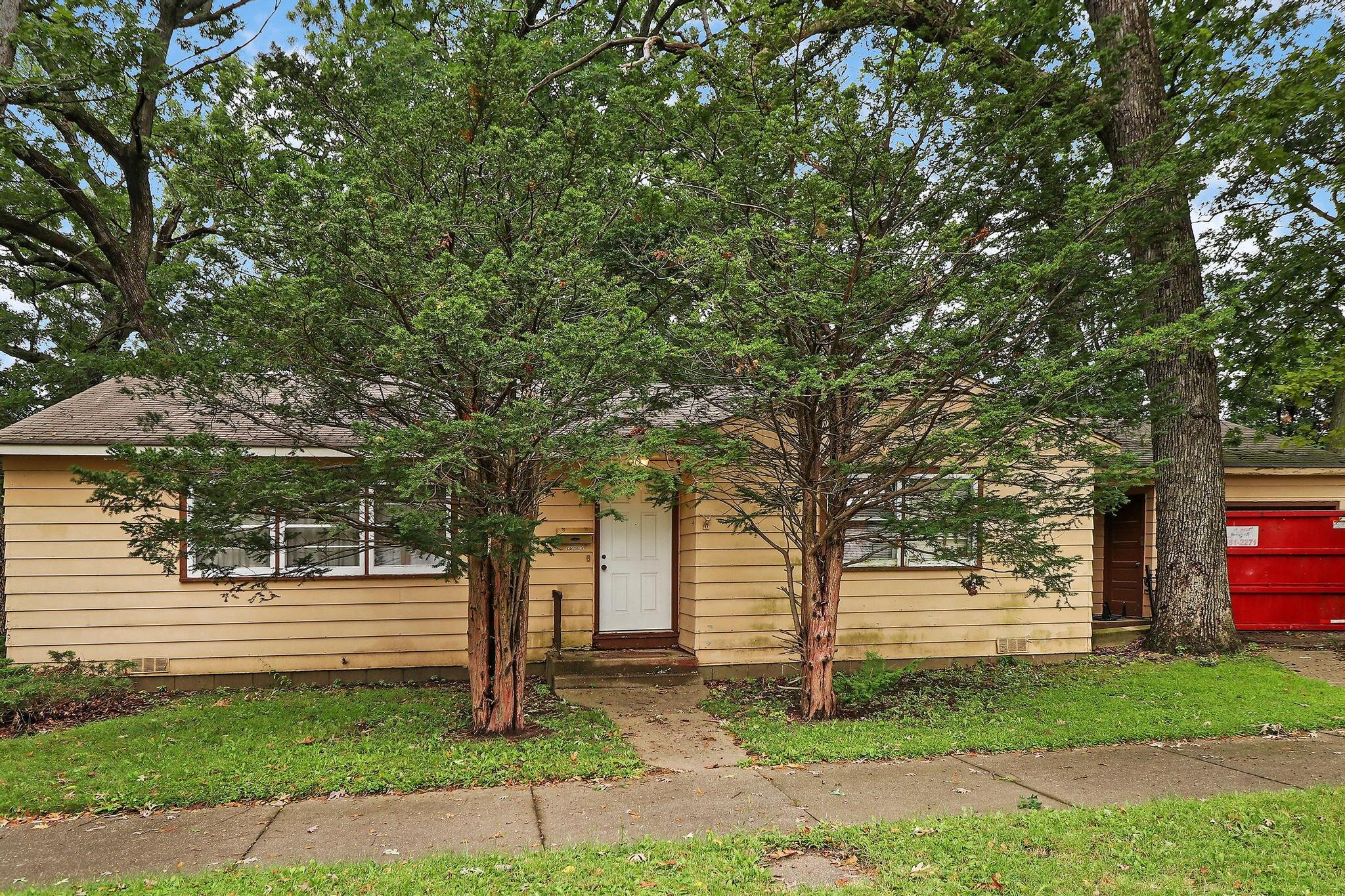
    What to Do About a Vacant Property with Code Violations

    A vacant property doesn’t just sit quietly. Over time, the grass grows too long, paint peels, and eventually the city notices. Code violations start showing up — and what once felt like a manageable situation can turn into a mounting list of notices, fines, and deadlines.

    If you own a vacant property in Lake County that’s picked up code violations, here’s what you should know before deciding what to do next.

    Violations Don’t Have to Be Resolved Before You Sell

    A common assumption is that a property has to be brought up to code before anyone will buy it. That’s true for a traditional buyer relying on a mortgage — lenders typically require an inspection to pass certain standards first.

    It’s not true for a cash sale. We buy properties in the exact condition they’re in, violations and all. In most cases, active code violations can be addressed as part of the closing process rather than something you have to handle out of pocket first.

    Why Properties Sit Vacant Longer Than Planned

    Nobody plans for a house to sit empty for years. It usually happens gradually — a move for work, an inherited property nobody was ready to deal with, a renovation that stalled out. Each month that passes makes the next step feel a little harder to take, and the property itself keeps deteriorating in the meantime.

    Real Example: Ten Years Vacant

    One property we bought had been sitting empty for more than ten years. Eventually the city started issuing violations, and the owner decided it was finally time to do something about it. The house was full of belongings that had been left behind years earlier.

    We bought it as-is, donated everything inside that was still in good condition, emptied the property completely, and the owner was able to move on to the next chapter of his life. Today that house is renovated and back in the community.

    Ten years is a long time for a property to sit — but the situation is more common than people think, and there’s always a path forward once you’re ready to take it.

    What Happens to the Violations

    When you sell a property with open code violations, the city’s process for clearing them typically continues independent of the sale, but the responsibility for resolving them can shift as part of the transaction. Every situation is a little different depending on the type and severity of the violation, which is why we always walk the property first and talk through exactly what’s outstanding before making an offer.

    If Your Property Has Been Sitting

    Whether it’s been a year or a decade, a vacant property with code violations doesn’t have to stay your problem. If you’d like a straightforward conversation about what selling as-is could look like, we’re happy to help.

    We’re a local, family-owned business serving Lake, McHenry, and Kenosha Counties since 2009, and we’ve helped homeowners move past properties exactly like this one.

    Call or text us at (224) 219-1502 — we answer 7 days a week.
  • Selling an Inherited House in Lake County, IL

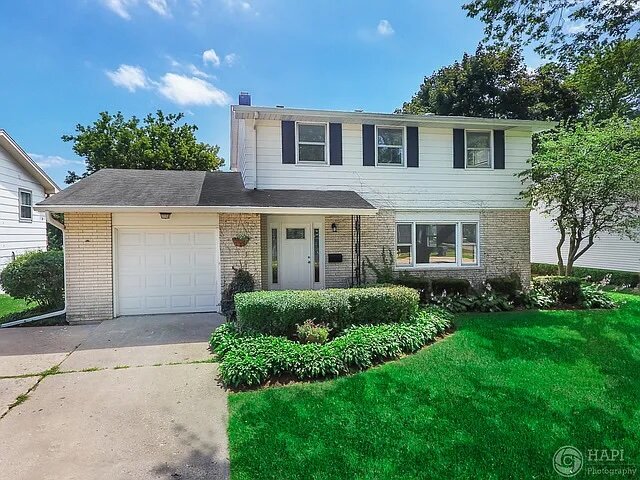
    Selling an Inherited House in Lake County, IL

    Inheriting a house is rarely simple. Even when it comes from someone you loved, a property left behind can turn into a source of stress fast — especially if you live out of town, if there’s family to coordinate with, or if the house needs work you don’t have the time or money to take on.

    If you’ve recently inherited a property in Lake County and aren’t sure what to do next, here’s what you should know.

    You’re Not Required to Fix Anything Before Selling

    One of the biggest misconceptions people have is that a house needs to be cleaned out, repaired, and “market ready” before it can sell. That’s true if you’re listing with a traditional agent — but it’s not the only option.

    Cash home buyers, like us, purchase houses exactly as they sit. Furniture left behind, deferred maintenance, outdated systems — none of it needs to be dealt with before a sale can happen. That matters most with inherited property, where the home often reflects years or decades of a life lived, not a staged listing.

    You Don’t Have to Live Nearby

    Many families inheriting a Lake County property don’t actually live in Lake County anymore. Siblings are often scattered across different states, juggling their own jobs and families, trying to make decisions about a house none of them can regularly check on.

    A cash sale can be handled almost entirely remotely — phone calls, a walkthrough on your behalf if needed, and paperwork that doesn’t require you to fly back into town multiple times.

    Real Example: Joyce and Her Sisters

    Joyce and her sisters inherited their parents’ home while their mother was in hospice. A realtor told them to make improvements before listing — new paint, repairs, a full clean-out — advice that made sense for a traditional sale but felt impossible given what the family was already going through. They lived in different towns, and the property had already been sitting for a year without a clear path forward.

    We bought the house as-is, full of furniture the family didn’t have the bandwidth to sort through, and closed within 30 days. What had felt like a liability for over a year became resolved in a month.

    Every family’s situation looks different, but the pattern is common: grief, distance, and a house that feels like one more thing to manage during an already difficult time.

    What the Process Actually Looks Like

    1. You reach out and tell us about the property. No pressure, no obligation — just a conversation about where things stand.
    2. We walk the property (or coordinate a walkthrough if you’re not local) and make a same-day cash offer.
    3. You decide on your own timeline. If you need more time before closing, or want to close quickly, we work around what makes sense for your family.
    4. We handle what’s inside. Furniture, belongings, anything left behind — you don’t need to sort through it before the sale happens.

    If You’re Considering Your Options

    Selling an inherited house doesn’t have to mean months of repairs, showings, and coordinating with family members who live hours away. If you’d rather have a straightforward conversation about what a cash sale could look like, we’re happy to talk — no pressure, no obligation.

    We’re a local, family-owned business serving Lake, McHenry, and Kenosha Counties since 2009, and we’ve helped families in situations just like this one.

    Call or text us at (224) 219-1502 — we answer 7 days a week.